

Landlord safety certificates
Rented homes in England need a satisfactory EICR every five years, and at the start of every new tenancy.
What the regulations expect of you
The Electrical Safety Standards in the Private Rented Sector (England) Regulations 2020 require landlords to have the fixed electrical installation inspected and tested at least every five years by a qualified person, and to supply the report to tenants within 28 days, to new tenants before they move in, and to the local authority within seven days of a request.
Where the report requires remedial work, it must be completed within 28 days, or sooner if the report says so, and written confirmation supplied to the tenant and the council.
We work to those dates. The report, the remedial quote and the confirmation of completion all arrive in a form you can forward without editing.
Call 01273 095564
The documents a landlord is asked for
Landlords are often sold a vague "certificate". These are the specific documents, what each one covers, and which are legally required in England.
EICR, five yearly
The legal requirement for private rented homes in England: a satisfactory Electrical Installation Condition Report at least every five years and before a new tenancy begins.
Confirmation of remedial work
Where the report requires work, written confirmation that it has been completed, supplied to the tenant and, on request, the local authority.
Smoke alarm provision
Alarms on every storey used as living accommodation, tested on the first day of a new tenancy. We fit and certify mains interlinked systems where you want them.
Carbon monoxide alarms
Required in any room used as living accommodation containing a fixed combustion appliance, excluding gas cookers. A different hazard needing a different detector.
EICR is not PAT
PAT covers plug-in appliances you supply, such as a washing machine or a kettle. It is separate from the fixed wiring, and not a legal requirement in itself.
EICR is not an EPC
An EPC rates energy efficiency and has nothing to do with electrical safety. Both are commonly needed, for entirely different reasons.
From instruction to compliance file
The process is built around the statutory dates, so nothing depends on you remembering them.
Instruction and access
Send the address and the tenant contact. We arrange access directly with tenants where you prefer, and confirm the appointment with everyone.
Inspection and test
A full EICR with photographs of any significant defect, so you can see what the codes are describing.
Report and remedial quote
Emailed to you, and to your agent if you ask, with the required work priced separately from the advisory items.
Remedial work
C1 items made safe on the day they are found. C2 and FI items scheduled to complete inside the 28 day window.
Documents issued
The reissued satisfactory report plus written confirmation of completion, in a form you can forward to a tenant or council without editing.
Diary held for next time
We record the anniversary and contact you before it falls due, so the certificate never expires between tenancies.
HMOs, agents and portfolios
Standard single lets are the simple case. These are the arrangements that need more thought.
HMO licence conditions
Licences routinely add electrical conditions on top of the regulations: interlinked fire detection, emergency lighting on escape routes and sometimes shorter inspection intervals.
Converted flats and communal areas
Your report covers the installation inside the let property. Communal areas, landlord supplies and the shared intake sit with the freeholder, and we are precise about that boundary.
Letting and estate agents
A single point of contact, direct tenant liaison, and reports formatted so they drop straight into your compliance system. TO CONFIRM: confirm agent account terms.
Portfolio scheduling
Multiple properties booked in a run to reduce travel and cost, with anniversaries tracked centrally. TO CONFIRM: confirm portfolio discount terms before publishing.
What we provide for landlords and agents
EICR to BS 7671
A full inspection and test with a coded schedule of observations and every circuit reading recorded.
Remedials quoted separately
You see the cost of the inspection and the cost of the repairs as two clear numbers.
28 day turnaround on repairs
Remedial work scheduled to land inside the statutory window wherever access allows.
Reissued satisfactory report
Once the required work is done, the report is updated so you have the document the council will ask for.
HMO and multi-let experience
Shared supplies, landlord circuits, communal lighting and fire alarm interfaces handled properly.
Portfolio scheduling
Multiple properties booked in a run, with a single point of contact for your agency. TO CONFIRM: confirm portfolio discount terms.
Compliance without the chasing
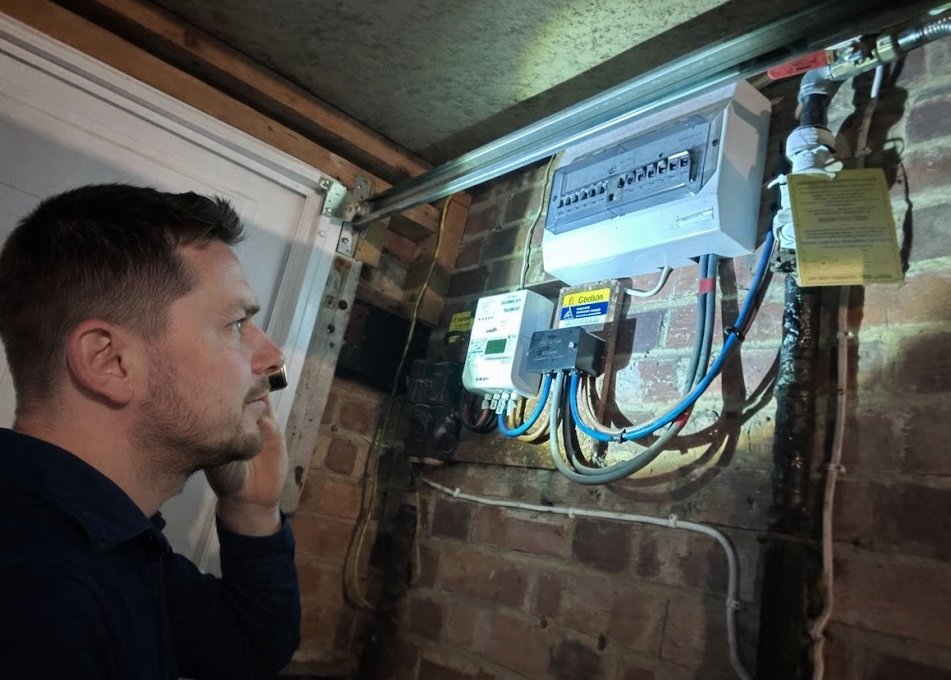
The regulations give you 28 days to complete remedial work, and hard deadlines for sharing reports with tenants and the council. We build the schedule around those dates, arrange access directly with tenants when you want us to, and keep the agent copied in.
One instruction covers the inspection, the remedials and the reissued satisfactory report for your compliance file.
Instruct usThe 28 day window, handled
C1 items are made safe on the day they are found. C2 items are scheduled to finish inside the statutory window.
About EICR testingBefore they move in
A new tenant must receive a current satisfactory report before they occupy the property. The report does not have to be new, but it does have to be in date and satisfactory, so check the file well before the tenancy starts rather than the week of.
Book an inspectionExisting tenants and remedial work
Existing tenants get the report within 28 days of the inspection. Where remedial work is required, it must be completed within 28 days, or sooner if the report specifies, with written confirmation to the tenant afterwards.
How we schedule itSeven days to produce it
If the local authority asks, you have seven days to supply the report. Penalties reach thirty thousand pounds per breach, and the council can arrange remedial work itself and recover the cost, so the compliance folder is worth keeping current.
EICR pricingLandlord compliance, in detail
The regulations are a set of dates and documents. Miss either and the penalties are serious, so here is the whole trail in one place.
The dates that matter, and the paper that proves them
The five years run from the date on the report, not from the tenancy, and the report itself can specify a shorter interval if the inspector judges the installation needs one.
- New tenants receive the report before they occupy the property.
- Existing tenants receive it within 28 days of the inspection.
- The council gets a copy within 7 days of asking.
- Remedial work completes within 28 days, or sooner where the report says so, with written confirmation to tenant and council.
Keep the report, the remedial invoices, the confirmation of completion and the dates you served each document. When a deposit dispute or a council enquiry lands, that folder is the difference between a closed file and a penalty notice of up to thirty thousand pounds per breach.
HMOs, flats and mixed portfolios
Shared houses bring their own layer. HMO licences routinely attach electrical conditions on top of the standard regulations, and the licence holder carries them personally. Mains interlinked fire detection, emergency lighting on escape routes and shorter inspection intervals are all common conditions, and all things we test and certify in the same visit as the EICR.
In converted buildings the boundary matters: your report covers the installation within the let property, while communal areas and the shared intake belong to the freeholder or management company under separate duties. We are precise about that line, because paying to certify someone else’s cupboard helps nobody.
For portfolios, we hold the anniversaries and book each property before its date comes round. TO CONFIRM: agree portfolio scheduling terms before offering this publicly.
From instruction to compliance
Instruction and access
Send the addresses and tenant contact details. We arrange access directly with tenants if you prefer.
Inspection and test
Full EICR at each property with photographs of any significant defect.
Report and quote
Emailed to you and, if you ask, to the agent, with the remedial work priced line by line.
Remedial work
C1 items made safe immediately. C2 items scheduled to complete inside 28 days.
Confirmation issued
Written confirmation of completion plus the reissued satisfactory report for your compliance file.
How compliance work runs
Three situations landlords and agents bring us, and how each one gets from instruction to a document that closes the file.
Illustrative examples of work of this type, written to show how a job runs. They are not records of individual customers.
A certificate needed before move in
Symptom: A new tenancy is booked and the property has no valid EICR, with the deadline fixed by the start date rather than by anyone chasing.
What the testing shows: The inspection is booked while the property is empty, which is faster, and the coding is done on the day so nothing waits on paperwork.
What we do: Any C1 or C2 is quoted immediately and corrected, the report is reissued as satisfactory, and the landlord has the document before the tenant has the keys.
Reports that expire at different times
Symptom: An agent holding several properties with certificates issued on different dates, and no single view of what falls due when.
What the testing shows: Existing reports are read before anything is booked, so only the properties actually due are inspected rather than the whole portfolio.
What we do: Inspections are scheduled in date order, remedials are quoted per property so each landlord sees only their own costs, and the renewal dates are handed over as one list.
Shared areas nobody is sure who owns
Symptom: A house in multiple occupation where the landing, the meter cupboard and the outside lighting sit outside any single tenancy.
What the testing shows: The shared circuits are inspected alongside the rooms, because those are the parts that carry the risk and are usually the least maintained.
What we do: Shared area defects are separated from room level ones in the report, so the responsible party is obvious, and the certificate covers the whole installation.
Landlord pricing
Priced per property on the number of circuits, with remedial work always quoted separately so you can see the two costs apart.
| Property | What it includes | From |
|---|---|---|
| One or two bedroom flat | Full EICR, coded report, schedule of results | £175 |
| Three bedroom house | Full EICR, coded report, schedule of results | £235 |
| Four or more bedrooms | Full EICR, coded report, schedule of results | £295 |
| HMO | EICR plus fire detection and emergency lighting checks | On survey |
| Interlinked smoke alarms | Three mains interlinked units supplied, fitted and commissioned | £420 |
| Portfolio booking | Several properties scheduled in one run | TO CONFIRM |
TO CONFIRM: replace with your own pricing and payment terms for landlords and agents.
The penalties, and why the paperwork matters
Local authorities can impose financial penalties of up to thirty thousand pounds per breach of the Electrical Safety Standards in the Private Rented Sector (England) Regulations 2020. They can also arrange remedial work themselves and recover the cost from the landlord.
In practice, enforcement usually starts with a request for the report. Keeping the EICR, the remedial invoices, the confirmation of completion and the dates each document was served turns a stressful enquiry into a two minute email.
This page is general guidance rather than legal advice. Where a situation is unusual, check with your local authority or a solicitor.
TO CONFIRM: add your scheme registration number, public liability cover and the name and qualifications of the electrician who reviewed this page. Only list credentials you can evidence.
Questions we get asked
Straight answers to the things people ask before they book. Anything else, the phone is quicker than a form.
Does every tenancy need a new report?
No, but the existing report must be satisfactory, in date, and given to the new tenant before they occupy the property.
What happens if I do not have one?
Local authorities can impose financial penalties of up to thirty thousand pounds per breach, and can arrange remedial work themselves and recover the cost.
Do I need a separate certificate for appliances?
The EICR covers fixed wiring only. Portable appliance testing on landlord supplied appliances is a separate service.
Can you deal with the tenant directly?
Yes. Give us a contact number and we will arrange access, confirm the appointment and keep you copied in.
Is an EICR the same as a homebuyer report?
The inspection is the same standard. The difference is who it is written for and what happens next with the observations.
Does the five years run from the tenancy start or the report date?
From the date of the report, and the inspector can set a shorter interval on the report itself where the installation justifies one. A new tenancy does not reset the clock: it simply requires that a current satisfactory report exists and is given to the incoming tenant before they move in.
Do holiday lets and short stay properties need an EICR?
The 2020 regulations are written around standard residential tenancies, so most holiday lets sit outside their strict scope. Your duty of care to guests, your insurer and, where applicable, fire safety legislation do not sit outside anything, and a five yearly EICR is the accepted way to evidence safe electrics. We inspect short stay properties on exactly that basis.
My property is a recent new build. Do I still need one?
A new installation comes with an Electrical Installation Certificate, and that document typically stands in place of an EICR for the first inspection interval, commonly five years. After that, the property joins the normal EICR cycle like any other rental. Keep the EIC safe: it is the proof of where your five years started.
Landlord safety certificates across Sussex
One emergency line covers every town below. Yours has a page of its own, with local response targets and the postcodes we reach.
Other things we fix

24 hour emergency call-outs
One number, answered by a person, day or night. If you have no power, a burning smell from a socket, or a fuse board that will not reset, this is the emergency electrician call-out you want. We cover Lewes and the rest of Sussex around the clock, including weekends and bank holidays.
Read more
Fault finding and repairs
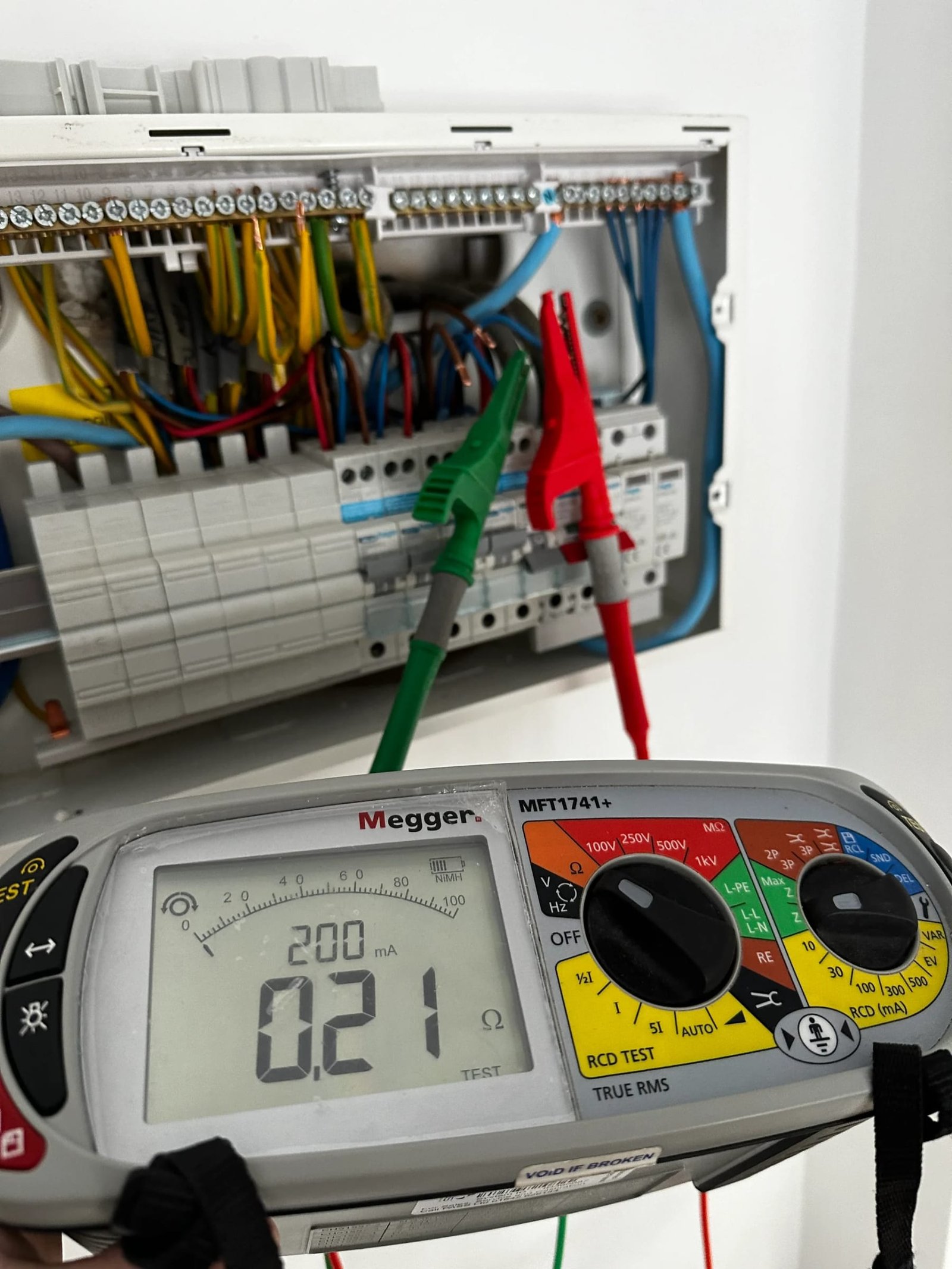
An RCD that keeps tripping, sockets not working, lights flickering, or power dropping out for no obvious reason. Intermittent electrical faults are the ones that cost people money. We use continuity, insulation resistance and RCD testing to prove the cause rather than guess at it, then repair it once and retest.
Read more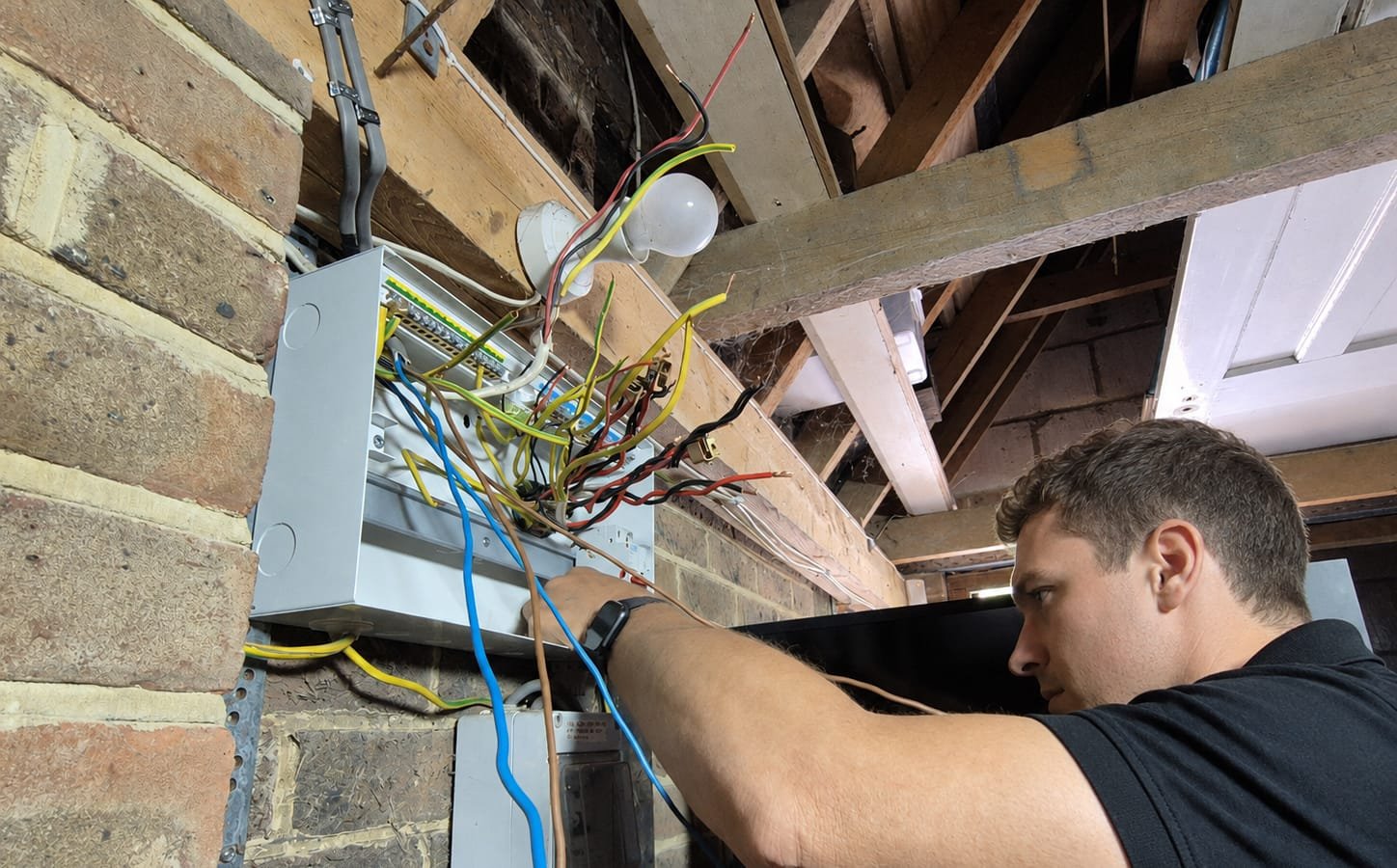
Fuse board and RCD upgrades
Fuse box replacement and consumer unit upgrades, from old rewireable fuses to a metal board with an RCBO on every circuit. A modern board protects each circuit on its own, so one faulty appliance no longer takes the whole house out. Tested, certified and notified under Part P, usually in a day.
Read moreTenancy starting soon and no certificate in the file? Get it booked.
Trusted emergency electricians in Sussex
We have been covering Sussex for 25 years. In that time the wiring regulations have moved through several editions and consumer units have changed shape more than once, while the faults themselves have stayed much the same: loose connections running hot, tired cable, and protection that was never fitted in the first place.
That experience is the difference between guessing and knowing. It is also why we can usually tell you on the phone whether a fault needs a van tonight or a booking on Tuesday, which saves you the out of hours rate more often than you might expect.
TO CONFIRM: add the year you started trading, your scheme registration number and your public liability cover. Only list credentials you can evidence.